Table of Contents
- Introduction: The Moment of Acceptance
- The Authentic Dua Upon Breaking Fast
- When to Recite the Dua for Breaking Fast
- Virtues of Supplication at Iftar Time
- FAQ
1. Introduction
Fasting is a profound act of worship that teaches patience and gratitude. However, the spiritual pinnacle of the day is not just the endurance of hunger, but the moment of relief and thanksgiving at sunset. This is the time when a believer draws closest to Allah, and it is a moment specifically designated for the acceptance of supplications. Knowing the authentic Dua upon breaking fast transforms a physical act of eating into a spiritual conversation with the Creator.
2. The Authentic Dua Upon Breaking Fast
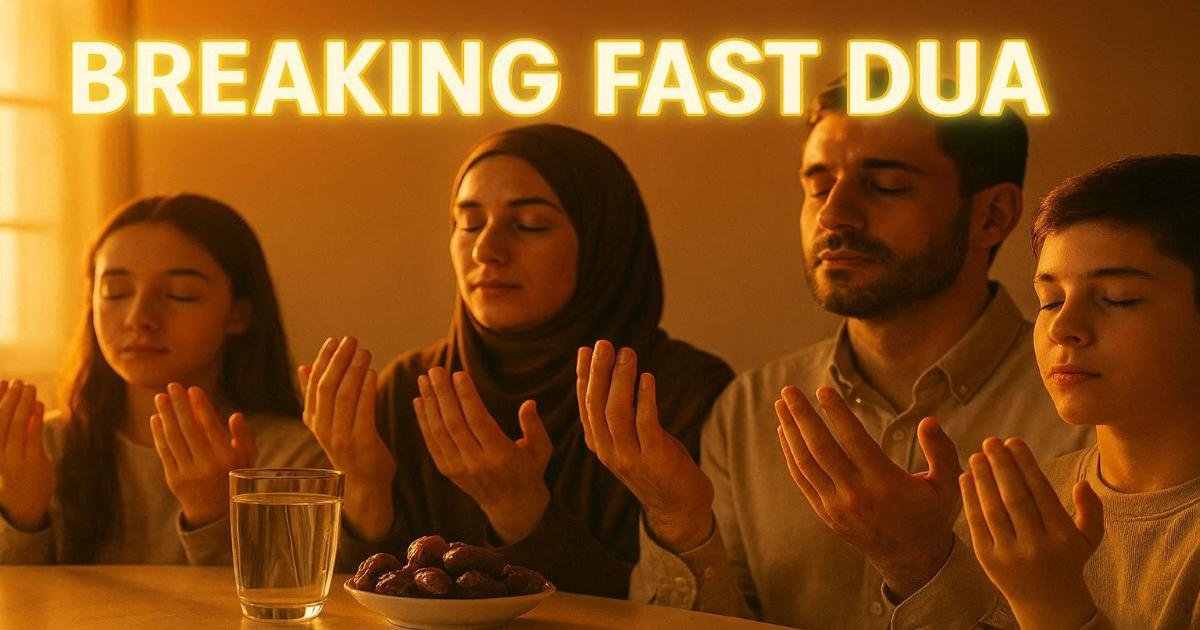
When a Muslim open their fast, they are engaging in a confirmed Sunnah (practice) of the Prophet Muhammad ﷺ. The words spoken at this moment are not just a casual phrase but a taught supplication that carries immense weight. The most authentic and commonly recited Dua for breaking fast is a beautiful acknowledgment of Allah's blessings.
The Text and Its Meaning
The breaking fast dua in English is derived from a authentic hadith. The Messenger of Allah ﷺ used to say upon breaking his fast:
"The thirst has gone, the veins are moistened, and the reward is confirmed, if Allah wills."
This Dua upon breaking fast acknowledges the physical relief (thirst gone) and the spiritual achievement (reward confirmed). It is a moment of certainty that the sacrifice made during the day has been accepted by Allah.
Why This Dua is Special
Unlike a generic request, this specific supplication focuses on gratitude and faith. It expresses trust in Allah's promise of reward. Many Muslims also recite the phrase "Allahumma laka sumtu" , which means "O Allah, for You I have fasted," reflecting the sincerity of the intention.
3. When to Recite the Dua for Breaking Fast
Timing is crucial for the acceptance of prayers. The Prophet ﷺ emphasized that the fasting person has a supplication that is not rejected at the time of breaking the fast. This makes understanding when to say dua for breaking fast essential for every believer.
Before or After Iftar?
The Dua for breaking fast is recited immediately upon breaking the fast, before one begins eating. The moment the adhan (call to prayer) for Maghrib is heard, and one hastens to break their fast with dates or water, that is the precise moment to raise the hands and make this supplication.
The Prophet ﷺ himself would break his fast with fresh dates before praying. Therefore, the sequence is:
-
Hear the Maghrib adhan.
-
Break the fast with a date or water.
-
Recite the Dua upon breaking fast.
-
Proceed to pray the Maghrib prayer.
4. Virtues of Supplication at Iftar Time
The time just before sunset is one of the most blessed periods of the day for a fasting person. The Prophet ﷺ declared that three people's supplications are not rejected: the just ruler, the oppressed person, and the fasting person until he breaks his fast.
This means that from the beginning of the fast until the moment of iftar, the believer is in a state of spiritual grace. This is why memorizing the Dua for fasting not in Ramadan is just as important—whether fasting on Mondays, Thursdays, or the 13th, 14th, and 15th of each lunar month, this same supplication applies. The spiritual currency of this moment is valid for any fast observed for the sake of Allah.
5.FAQ
Q1: Is it necessary to say the dua in Arabic?
A: While the Arabic words taught by the Prophet ﷺ carry immense blessing and are part of the Dua for breaking fast Sunnah, Allah understands all languages. If one cannot yet pronounce the Arabic, making the intention and supplicating in one's native tongue is acceptable until they learn.
Q2: What is the exact meaning of "Allahumma laka sumtu"?
A: This beautiful phrase, often combined with the main dua, means "O Allah, for You I have fasted." It is a declaration of sincerity, confirming that the act of fasting was done solely for the pleasure of Allah, not for show or any worldly gain. It is a powerful component of the breaking fast dua Allahumma.
Q3: Can I make other duas after breaking my fast?
A: Absolutely. While the specific Dua upon breaking fast (mentioning thirst being quenched and reward confirmed) is a sunnah prayer of thanksgiving, the moment of iftar is a prime time to ask for any worldly or religious need. You can ask for forgiveness, for your family, or for success in this life and the next.
Q4: What if I forget to say the dua at the exact moment?
A: If you forget and have already started eating, you can simply recite it when you remember. Allah is Most Merciful and knows the intention of the heart. The key is to cultivate the habit of remembering this Dua Upon Breaking Fast at the moment of breaking the fast to earn the sunnah reward.
No comments yet. Be the first to share your thoughts!