Table of Contents
- Fajr – The Dawn Prayer
- Dhuhr – The Midday Break
- Asr – The Afternoon Reminder
- Maghrib – Just After Sunset
- Isha – The Night Prayer
- So… Why Are the 5 Salat Times Important?
- Wait, What's the 7 7 7 Rule in Islam?
- How to Find the 5 Daily Prayers Times Today
- Quick Takeaways
- A Tiny Challenge for You
- Questions You Might Be Wondering
- If This Helped, You Might Also Like…
Fajr–The Dawn Prayer
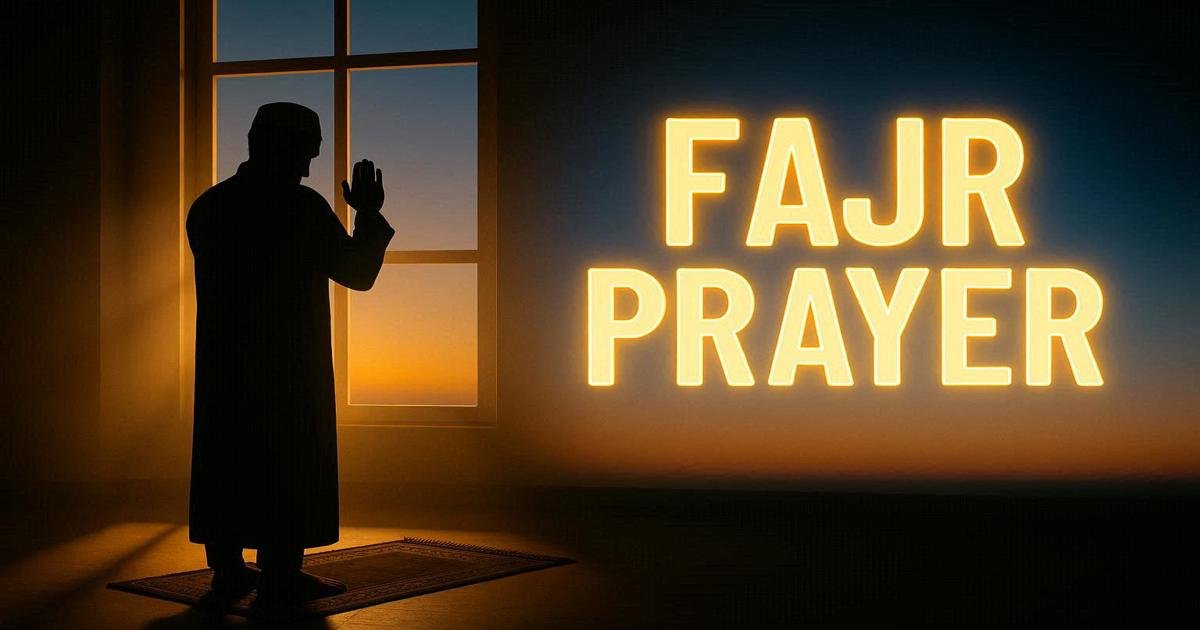
Fajr is the first one.
It happens before sunrise. The sky is still dark, or maybe just starting to lighten. Everything is quiet. The world hasn't woken up yet.
Honestly? It's beautiful.
You wake up when most people are still asleep. You stand in prayer while the morning is still fresh. There's a special peace in that moment—like the whole world is still, and it's just you and Allah.
The Quran says: "Establish prayer at the decline of the sun until the darkness of the night and the Quran at dawn. Indeed, the recitation of dawn is ever witnessed." (Quran 17:78)
That last part? "Ever witnessed." The angels of the night and the day both gather for Fajr. (Tirmidhi 3135)
I'll be honest—waking up for Fajr isn't always easy. Some mornings, I hit snooze. But when I do wake up? That stillness? Worth it.
Dhur – The Midday Break
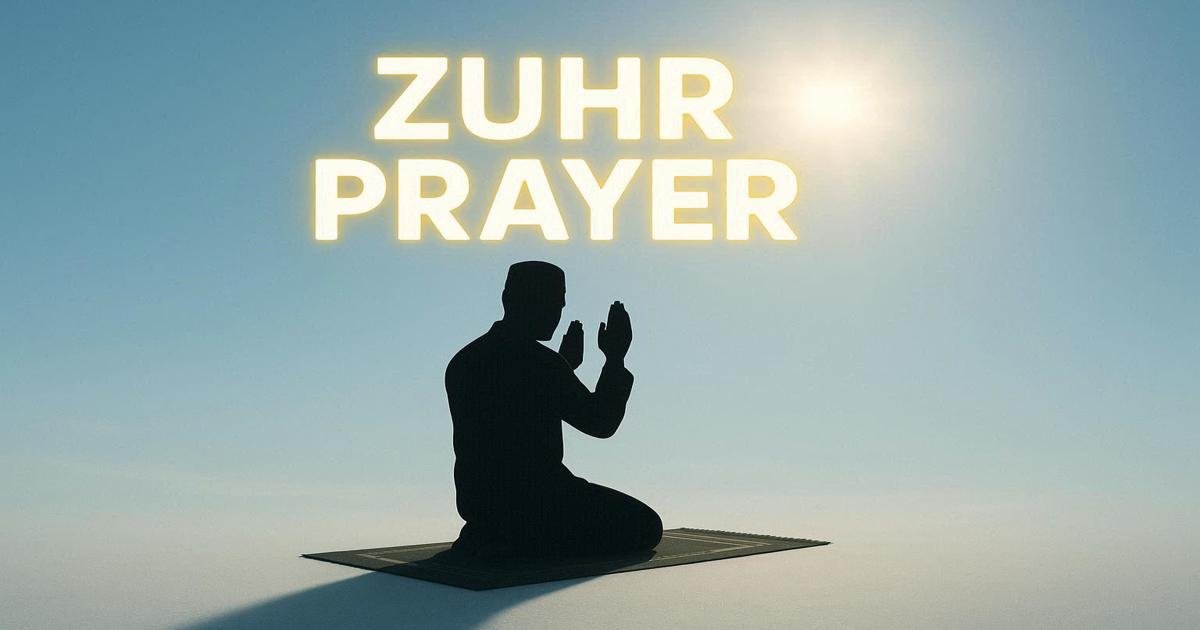
Dhuhr comes right after the sun passes its highest point in the sky.
You know that moment—midday, sun blazing, you're deep into work or errands. Life is moving fast. And then comes the call to prayer.
It's like a pause button.
The Prophet ﷺ said: "The first thing for which a person will be brought to account on the Day of Resurrection is his prayer. If it is sound, then the rest of his deeds will be sound." (Tirmidhi 413)
So Dhuhr isn't just another task. It's a check-in—a moment to step away from the rush and reconnect.
Even if you're at work, even if you're busy—it's just a few minutes. A deep breath. A reminder of what's real.
Asr – The Afternoon Reminder
Asr comes in the late afternoon. When shadows start stretching longer. The day is still going, but the end is getting closer.
There's a famous hadith about Asr that always hits me.
The Prophet ﷺ said: "Whoever misses the Asr prayer, it is as if he has lost his family and his wealth." (Bukhari 552)
Strong words, right?
But think about it. Asr happens right when we're most distracted. Deep in work. Running errands. The day is winding down, and our energy is dipping. It's the easiest prayer to overlook.
But it's also the one that keeps you grounded. A reminder that no matter how busy life gets, Allah comes first.
Maghrib – Just After Sunset
Maghrib comes right after the sun sets.
There's something special about this moment. The sky turns orange, then pink, then purple. The day is ending. The fast breaks (if you're fasting). Families gather.
It's a prayer of transition.
The Prophet ﷺ said: "My ummah will continue to be upon the fitrah (natural state) as long as they hasten to break the fast and delay the pre-dawn meal." (Ahmad 22909)
But beyond fasting, Maghrib is a moment to close the day's chapter. You step away from everything you were doing and turn back to Allah. Just for a few minutes.
Then you return to your evening. Lighter.
Isha – The Night Prayer
Isha is the last prayer of the day.
The sky is dark. The world settles down. You've finished dinner, maybe you're winding down.
And before you sleep, you pray.
There's a hadith that says: "If people knew the reward of Isha and Fajr in congregation, they would come to them even if they had to crawl." (Bukhari 615)
Imagine that. Crawling to prayer because the reward is so immense.
Isha is your final connection before the day closes. It's a way to end the day with Allah on your mind and in your heart. And when you sleep after Isha, you sleep in a state of remembrance.
So… Why Are the 5 Salat Times Important?
You might be wondering—why five? Why these specific moments?
Because life moves fast, and Allah knows that.
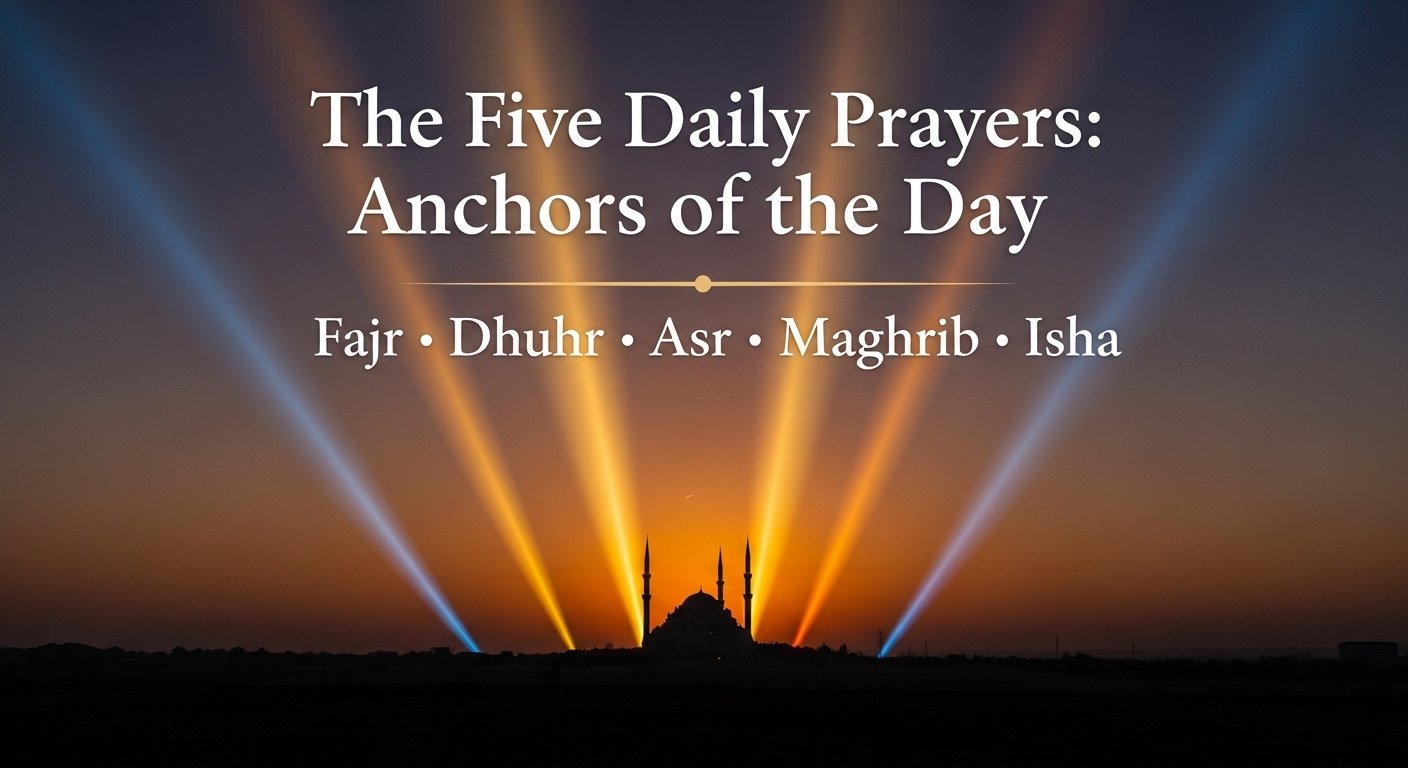
He didn't say pray once in the morning and forgot about the rest. He gave us five anchors throughout the day. Dawn, noon, afternoon, sunset, night. Moments to pause, reflect, and reconnect.
The Quran says: "Indeed, prayer has been decreed upon the believers a decree of specified times." (Quran 4:103)
So when you ask why are the 5 salat times important, the answer is simple: they keep you connected. They pull you back when you drift. They remind you of what matters when the world tries to make you forget.
Wait, What's the 7 7 7 Rule in Islam?
Okay, you might have heard this one floating around.
The 7 7 7 rule in Islam isn't actually from the Quran or Hadith. It's not a formal Islamic teaching. Sometimes people refer to it as a habit-building method—like 7 days, 7 hours, or something similar—but it's not from our tradition.
So if someone asks what is the 7 7 7 rule in Islam, you can tell them: it's not a religious ruling. What is from the Quran and Sunnah is consistency. The Prophet ﷺ said: "The most beloved deeds to Allah are those that are consistent, even if small." (Bukhari 6464)
So instead of looking for a "777" formula, focus on praying each prayer on time. Even if it's just starting with one prayer and building from there.
How to Find the 5 Daily Prayers Times Today
These days, it's easy.
You can check online, download a prayer app, or look at your local mosque's timetable. The 5 daily prayers times today change slightly each day because they're based on the sun's position.
Most apps give you:
- Fajr
- Dhuhr
- Asr
- Maghrib
- Isha
Plus sunrise, sometimes midnight, and other useful times.
If you're new to praying, just pick one app that looks simple and use it daily. Don't overcomplicate it. The goal is consistency, not perfection.
Quick Takeaways
- The five daily prayers are Fajr, Dhuhr, Asr, Maghrib, and Isha.
- Each one comes at a specific time based on the sun's position.
- Fajr is before sunrise—quiet, peaceful, witnessed by angels. (Quran 17:78)
- Dhuhr is midday—a pause in the middle of your busy day.
- Asr is late afternoon—easy to miss, but deeply important. (Bukhari 552)
- Maghrib is right after sunset—a beautiful transition moment.
- Isha is night—your final connection before sleep. (Bukhari 615)
- The 5 daily prayers times today change each day slightly, so check a reliable app or mosque timetable.
- The 7 7 7 rule in Islam is not from the Quran or the Hadith; what matters is consistency. (Bukhari 6464)
A Tiny Challenge for You
Here's something simple to try.
Pick one prayer this week. Just one. And commit to praying it on time every day.
Maybe it's Maghrib—easy to remember when the sun sets. Or maybe it's Fajr—a peaceful start to your day.
Don't worry about getting all five perfect right away. Just start with one.
The Prophet ﷺ said: "The most beloved deeds to Allah are those that are consistent, even if small." (Bukhari 6464)
So start small. Stay consistent. And watch how that one prayer begins to shift your day.
Questions You Might Be Wondering
Q1: What if I miss a prayer?
It happens. We're human. Make it up as soon as you remember. The Prophet ﷺ said: "Whoever forgets a prayer or sleeps through it, its expiation is to pray it when he remembers it." (Muslim 684)
Q2: Can I combine prayers if I'm traveling or sick?
Yes. Islam is merciful. You can combine Dhuhr with Asr, and Maghrib with Isha, when traveling or in situations of genuine difficulty.
Q3: How do I know the 5 daily prayers times today?
Use a reliable prayer app or check your local mosque's timetable. Times change slightly each day based on sunrise and sunset.
Q4: What if I don't know Arabic yet?
That's okay. Allah knows your heart. Start with what you can. Learn gradually. The intention matters more than perfection.
Q5: Why are the 5 salat times important?
Because they structure your day around remembrance. They pull you back when life gets overwhelming. And they're the first thing you'll be asked about on the Day of Judgment. (Tirmidhi 413)
If This Helped, You Might Also Like…
- What is Tawakkul in Islam?
- The Power of Duas in Daily Life

No comments yet. Be the first to share your thoughts!